
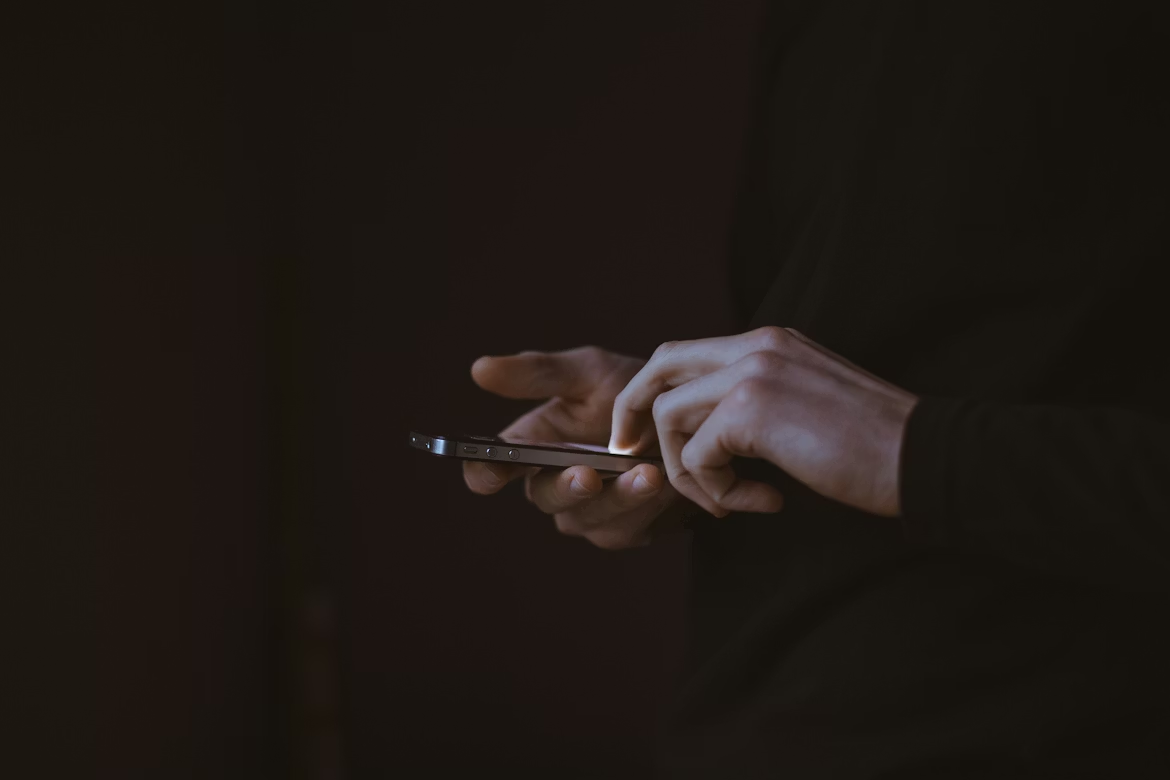
Doomscrolling is the habit of endlessly consuming negative or distressing content online, often starting with a simple check of the news or social media. It quickly turns into hours of scrolling through alarming headlines, crisis updates, and endless short-form videos on platforms like TikTok and Instagram.
What begins as a means to catch up with the news soon becomes a cycle of overload and numbness. Even when the news feels heavy, we don’t stop — we switch. From stressful content to mindless entertainment. This constant switching keeps the mind engaged but never rested, quietly pulling us away from real-life moments, responsibilities, and meaningful human connections.
You meant to step outside, take a walk, sit with your family, or finish something important. Instead, you stayed glued to your screen, moving from one piece of content to the next.
Sometimes heavy news. Sometimes light entertainment. But always more of it.
When the news feels too heavy, you don’t necessarily stop. You switch. From breaking headlines to endless TikTok videos. From anxiety to numbness. From overload to distraction. It feels like a break, but it rarely feels like rest.
That’s doomscrolling today. And it is harming us more than we realise.
The Addictive Nature of Doomscrolling
Doomscrolling refers to the compulsive consumption of negative or emotionally draining online content, even when it is no longer helpful. It often starts with a simple intention: staying informed, checking updates, or casually scrolling. But the internet rarely stays neutral.
Soon, you’re exposed to a constant feed of crisis-driven content. The mix tends to pull in two directions at once:
- Serious news updates — economic instability, political uncertainty, global conflicts, and local pressures like inflation, load shedding, or rising crime
- An endless stream of short-form entertainment, designed to hold attention without requiring any real effort
Doomscrolling is addictive because it keeps the brain caught between urgency and reward — never fully alarmed, never fully at ease, but always hungry for the next thing.
Breaking news triggers a sense of alertness, while short-form videos and social media feeds provide constant micro-doses of stimulation that require no effort to consume. This mix creates a loop where you keep scrolling for “just one more update” or “just one more video,” even when you no longer enjoy it.
The unpredictability of what comes next, combined with endless content, makes it difficult for the brain to find a stopping point — turning a simple habit into something compulsive.
The Hidden Impact on Mental Health
While doomscrolling may feel passive, its effects are anything but. Research shows that excessive exposure to negative content can increase anxiety, stress, and feelings of helplessness. Your brain doesn’t fully distinguish between direct threats and repeated exposure to distressing information — so it responds as if you’re constantly in danger.
Over time, this can affect sleep, concentration, and mood. Many people find it harder to focus on slower, real-world tasks after long periods of scrolling. This is sometimes described as “popcorn brain” — where constant digital stimulation makes everything else feel dull or difficult to engage with.
Your brain doesn’t fully distinguish between reading about a crisis and living through one. Repeated exposure to distressing content keeps your nervous system on high alert.
The shift to mindless video content doesn’t necessarily solve the problem. While it may temporarily distract you, it often replaces anxiety with mental fatigue. Instead of feeling informed or rested, you end up feeling scattered and disconnected.
The cumulative toll on digital mental health is easy to underestimate, precisely because the damage is gradual. There’s rarely a single session that breaks you — it’s the slow accumulation of many.
Why It Feels Productive (Even When It’s Not)
One of the reasons doomscrolling is so persistent is that it feels useful. You might tell yourself that you’re staying updated, being responsible, or trying to understand what’s happening around you.
In reality, most of the information consumed during these sessions doesn’t lead to action or meaningful insight. Instead, it creates an illusion of productivity.
You’re busy, engaged, and mentally active — but not necessarily moving forward.
This makes it harder to recognize when the habit becomes harmful, because it doesn’t feel like wasted time in the moment. That’s part of what makes it so difficult to address.
How to Stop Doomscrolling

Knowing how to stop doomscrolling isn’t always straightforward — avoiding it entirely isn’t realistic for most people. But awareness is the first and most important step.
Practical Steps to Reclaim Your Attention
Staying informed matters, but endless exposure to distressing news can quietly drain mental energy and increase anxiety. The goal is not to disconnect from reality but to engage with it more intentionally.
By building healthier digital habits, you can stay informed without becoming overwhelmed.
Set Boundaries with Screen Time
One of the most effective ways to break the scrolling loop is to create clear limits around when and how you consume news. Instead of checking updates constantly throughout the day, assign a specific time window — such as morning or evening — and stick to it.
Small rules also help. Try avoiding scrolling while waiting in lines, or setting a 90-minute no-scroll period during focused work. The more consistent these boundaries become, the less automatic the habit feels.
Rebuild Your Information Diet
We naturally absorb whatever our feeds prioritize, which means shaping what you see is a genuine act of digital mental health care. Follow credible news outlets and reduce exposure to accounts that rely heavily on outrage, fear, or extreme opinions.
This shifts your attention from emotionally charged content toward more balanced reporting — giving your mind the space to process information calmly rather than reactively.
You don’t have to consume the internet as it’s served to you. Curating your feed is one of the most underrated acts of self-care.
Replace Passive Scrolling with Intentional Action
Instead of endlessly consuming upsetting content, redirect that energy into something constructive. If a story affects you emotionally, consider a small real-world response rather than continuing to scroll.
- Talk it through with someone you trust
- Donate to a cause connected to the issue
- Look into local volunteering opportunities
- Step away for a short walk to reset your headspace
- Read something genuinely uplifting before returning to your day
None of these require a major time commitment. Even a small, deliberate action can interrupt the passive loop that doomscrolling tends to create.
Restore Balance and Mental Space
The aim is not to ignore reality but to build a healthier relationship with it. When you consciously balance negative inputs with positive or neutral activities, you protect both your attention and your emotional well-being.
Over time, this approach helps reduce anxiety and restores a genuine sense of control over your digital habits.
Intentional scrolling protects your peace of mind daily.
Sources:


Leave a Reply