
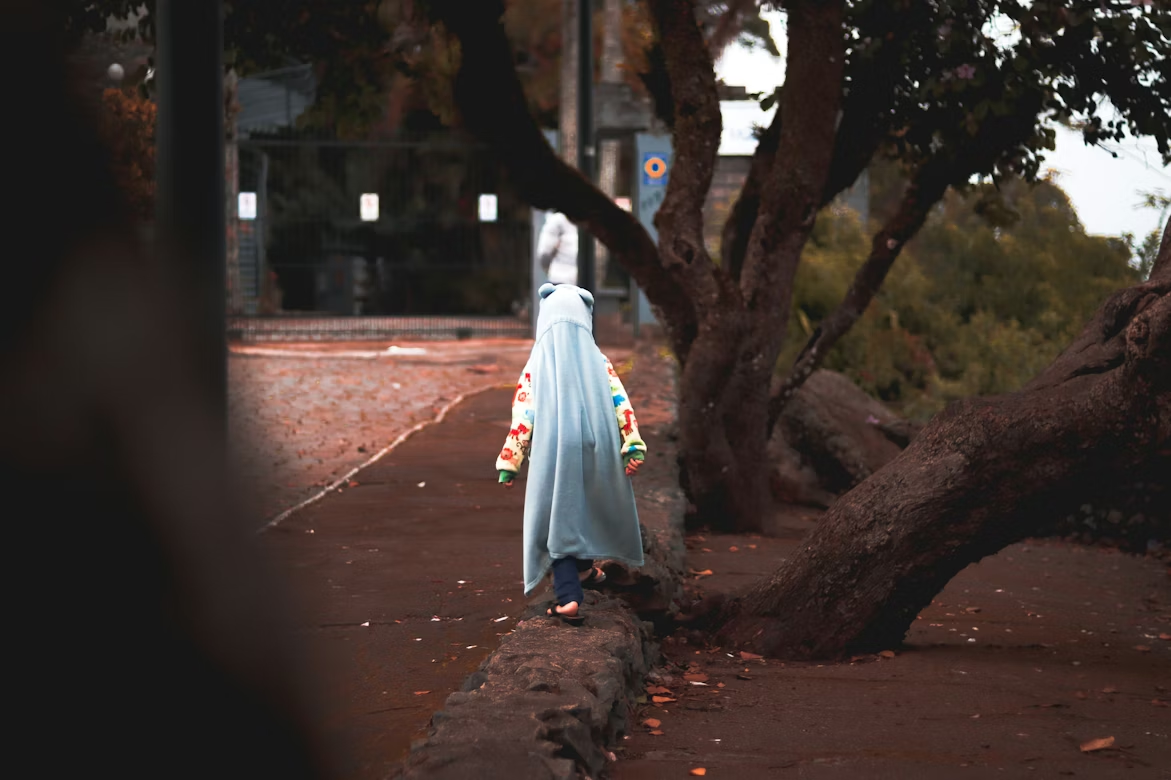
Expectations, responsibilities, loss, circumstances, and sometimes even trauma often forces us to grow up earlier than we should. We lose our childhood and all the joy it brings with it. The happy carefree childhood filled with curiosity, laughter, scraped knees, and endless imagination passes us by without staying.
For some, the shift happens gradually. For others, it arrives overnight.
We know of so many children who were forced to grow up too soon due to loss. For most of them it was unexpected — one minute their family was complete, and the next they were down one member. Loss of a parent, and the grief that comes with it, ages a child long before they reach adulthood.
Similarly, financial struggles, domestic abuse, trauma, or difficult circumstances steal the happy childhood of children all over the world. Forced into adulthood before their time, these now-grown individuals carry pieces of a childhood that was interrupted. They often drown themselves in work and responsibilities, refusing to take a moment to actually live.
When childhood is shortened, it doesn’t always leave visible scars — but it changes the brain chemistry.
Often, it shows up later in subtle ways: an inability to relax, a constant sense of responsibility, or a feeling that joy must always be earned rather than experienced freely.
But something remarkable happens as people grow older. Many begin to realise that reclaiming lost childhood is possible — not by reversing time, but by rediscovering the parts of ourselves that were set aside too soon. This is where inner child healing begins.
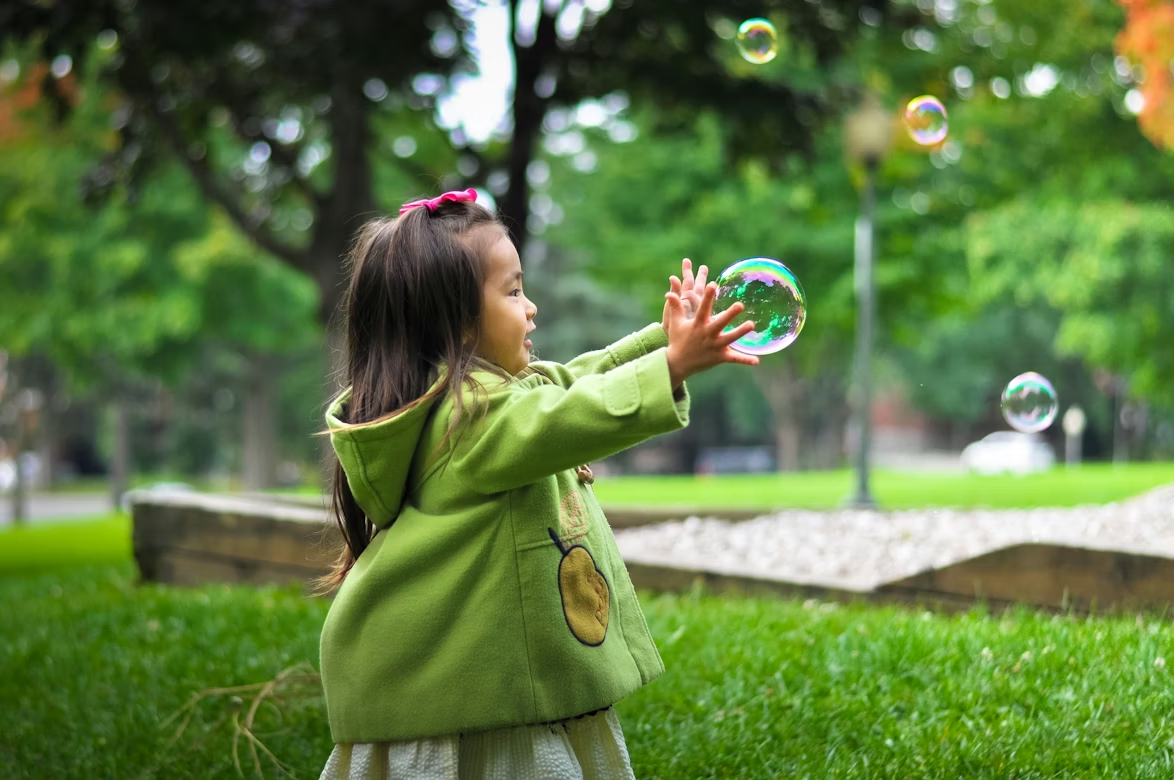
The Silent Transition to Adulthood
Growing up early often begins with small moments that seem insignificant at the time.
- A child overhears their parents discussing financial problems and suddenly becomes careful about asking for things.
- Another learns to comfort younger siblings during stressful family moments.
- Someone else begins hiding their own worries because they don’t want to burden the adults around them.
These moments slowly shift the way a young mind sees the world. Instead of feeling protected by the adults in their life, the child starts feeling responsible for them.
And with that shift, innocence begins to fade.
The Hidden Cost of Growing Up Too Soon
Many people who experienced this kind of early maturity develop impressive strengths. They become independent, reliable, empathetic, and emotionally perceptive. They often learn problem-solving skills earlier than their peers.
But strength can sometimes come at the cost of something quieter — freedom, joy, and even playfulness.
Reclaiming Lost Childhood
Reclaiming lost childhood doesn’t mean pretending the past didn’t happen. Instead, it means giving yourself permission to experience things you may have missed. Sometimes this begins with surprisingly small acts.
Someone buys a set of watercolor paints they always wanted as a child. Another person learns to ride a bicycle later in life, laughing at every wobble along the way. Someone else spends an afternoon building a sandcastle with their younger cousins, rediscovering the simple joy of play.
These moments may seem trivial, but they hold deep emotional significance. They remind us that wonder still exists even in adulthood.
Reclaiming lost childhood means reconnecting with curiosity — allowing yourself to explore new hobbies without worrying about being perfect at them.
Children view the world through curiosity. They ask endless questions. They imagine possibilities that adults often dismiss as unrealistic. Reconnecting with that mindset is part of what inner child healing looks like in everyday life.
It means allowing yourself to try something simply because it feels interesting. It means letting yourself ask questions again — without needing to have all the answers first.
Curiosity as Quiet Rebellion
In many ways, curiosity is a quiet rebellion against the idea that adulthood must always be serious. Some of the most fulfilled adults are those who never lost their sense of wonder — or who found a way to bring it back.
Forgiving the Past
For people who grew up too soon, there’s sometimes a hidden sadness when they look back. They might wonder what life would have been like if things had been different. But healing doesn’t come from blaming the past.
Often, the adults who placed responsibility on children were struggling themselves. They may not have realized the weight they were passing down. Life circumstances can push families into difficult situations where everyone is simply trying to survive.
Recognizing this doesn’t erase the experience, but it can soften the way we carry it.
The goal isn’t to rewrite history — it’s to create new experiences moving forward.
Carrying Both Strength and Joy
People who grew up too soon often possess remarkable resilience. They understand responsibility, empathy, and perseverance in ways that others may take longer to learn.
But resilience and joy are not opposites. It’s possible — and important — to hold both.
The same person who once carried adult worries as a child can also learn to laugh loudly, explore freely, and reconnect with creativity. Reclaiming lost childhood doesn’t mean pretending the hard years didn’t happen — it means refusing to let them be the only story.
Childhood may not always unfold the way it was meant to. But its spirit — the sense of wonder, curiosity, and play — never fully disappears. Sometimes it simply waits patiently for the moment we realise we’re allowed to welcome it back.


Leave a Reply